
CLEANING GUIDES
Preparing for End of Tenancy Cleaning: A Room-by-Room Plan
| Guide | What you will find |
|---|---|
| What it covers | Plan a moving-out clean around removals, cupboards, appliances and keys. Use a practical room checklist and decide which extra cleaning to request before booking. |
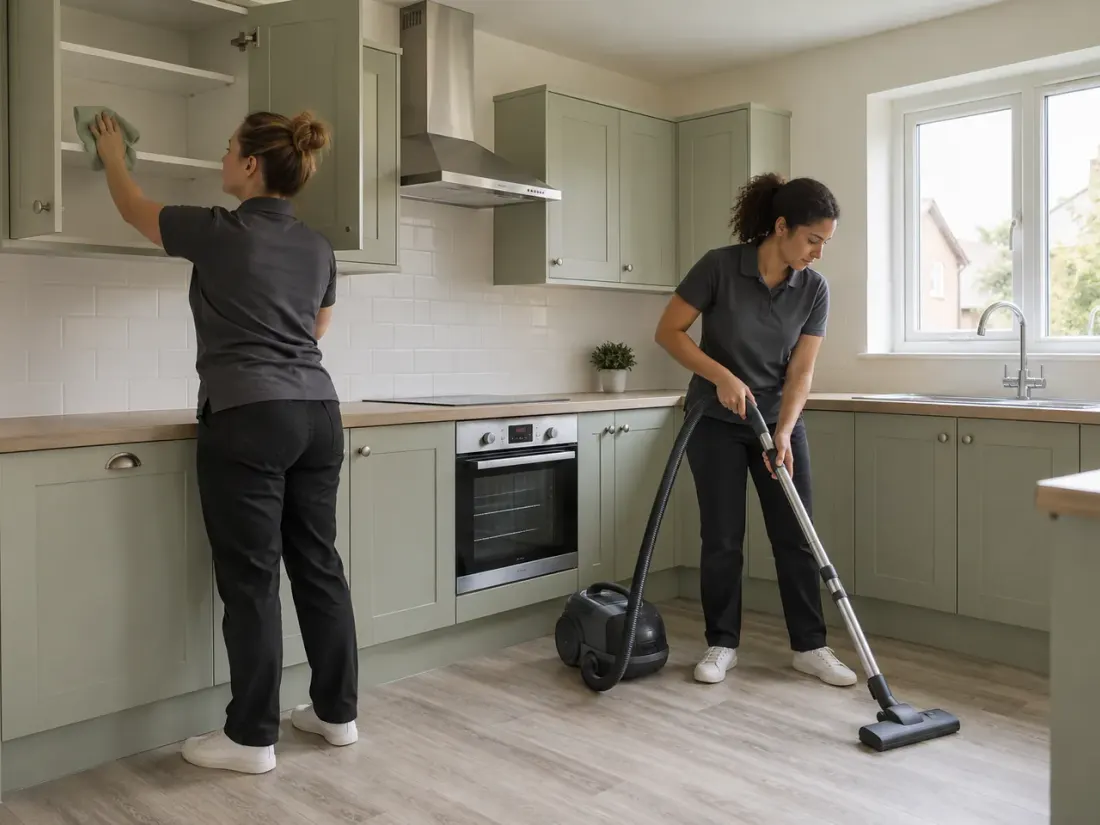
When to arrange the moving-out clean
| Part of the move | What to arrange |
|---|---|
| Furniture removals | Decide which furniture will leave before cleaning and which pieces will remain. Give the cleaner that information when booking, so an appointment for empty rooms is not planned around furniture that will still cover the floors. |
| Removals still in progress | Tell the company if movers will be carrying items through the home during the visit. The hall and stairs may still be busy, and dirt can be brought back through rooms that have already been cleaned. |
| Repairs and decorating | Ask when outstanding repairs or decorating will finish before choosing the cleaning date. Newly completed work can leave dust or have its own care instructions, so explain the remaining jobs instead of describing every room as ready. |
| Rooms used until the last day | Say if a bedroom, kitchen or home office will remain in use while other rooms are empty. Explain when it will be free and discuss the order, rather than assuming the whole property must be cleared together. |
| Appliance preparation | Ask how to prepare each appliance before choosing the cleaning date. Make plans for food in the fridge and remove stored pans from the oven. Check when an oven must stop being used so it is ready for cleaning. |
| Changes to the moving plan | Update the company promptly if removals, key collection or room availability change. Check the revised appointment rather than relying on an earlier message that described a different move, particularly when someone else is arranging the keys. |
What to include in each room
| Area to list | Details that are easy to miss |
|---|---|
| Kitchen | List the worktops, sink, cupboard fronts and empty interiors you want cleaned. Name appliances separately, including any second fridge or freezer, so the kitchen request explains the items you have rather than a general room label. |
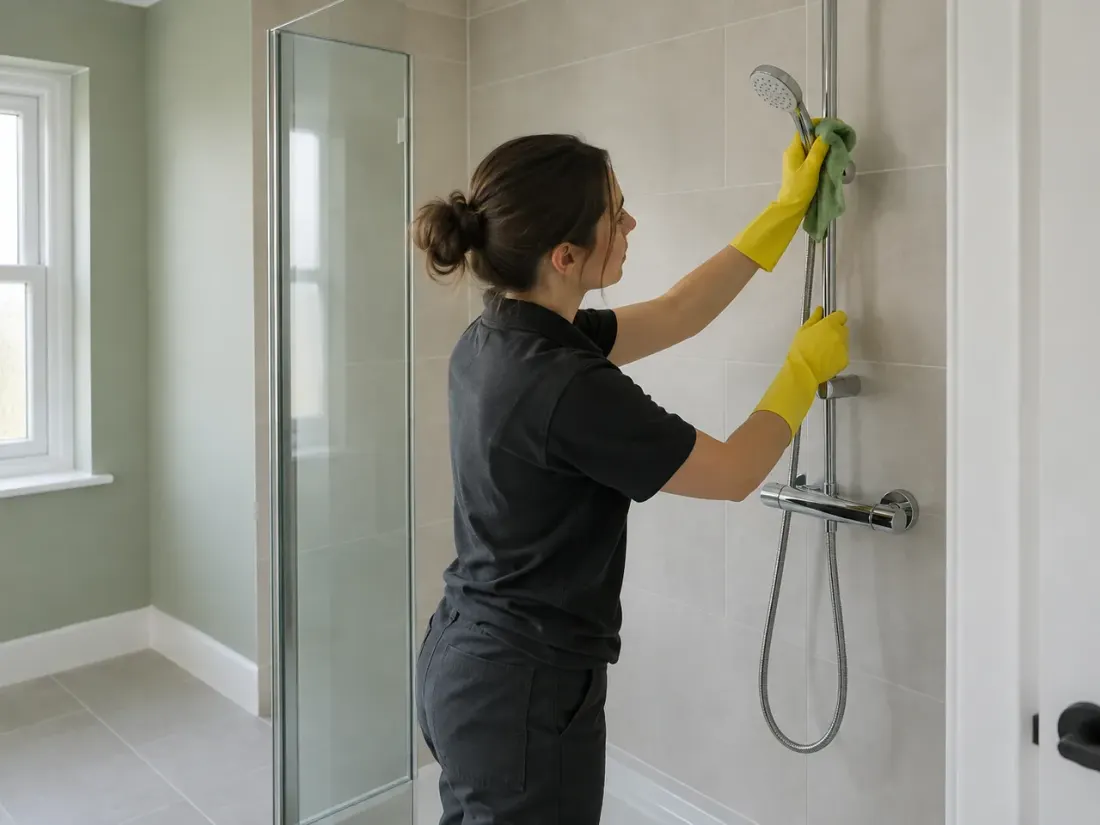
| Bathrooms and toilets | Include every bathroom, shower room and separate toilet. Mention an extra shower cubicle or cloakroom basin when describing the property, especially if these fittings are not obvious from photographs taken from the main bedroom or hallway. |
| Bedrooms and living rooms | Name the rooms you want cleaned and explain whether they will be empty or furnished. Add a study, dressing room or separate dining room directly instead of expecting the bedroom count to communicate all those spaces. |
| Private stairs and landings | List internal stairs and landings, including the route to an attic room. Explain the floor covering and any stored items that will remain, so the cleaning list does not stop at the rooms on the main floor. |
| Utility rooms and storage | Include a utility room, pantry or storage cupboard if you want it cleaned. Say which interiors will be empty and which units should stay closed, particularly where the room contains supplies belonging to someone else. |
| Separate spaces | Ask about a garage, balcony or annexe separately rather than folding it into the description of the main rooms. Show its condition and any belongings staying there before expecting it to be included in the cleaning price. |
Decide what stays, what goes and what needs clearing
| Belongings or storage | Useful preparation |
|---|---|
| Kitchen cupboards and drawers | Empty the particular cupboards and drawers you want cleaned inside. Keep items you are retaining together somewhere outside those units, so the cleaner can wipe the interiors without choosing how to sort or repack your kitchen contents. |
| Food in the fridge | Plan where food will go before an inside-fridge clean. You should decide what to keep or remove and ask about appliance preparation, rather than leaving the cleaner to make disposal decisions on your moving day. |
| Clothes and wardrobe interiors | Take clothes and personal items out of any wardrobe interiors included in the appointment. If only the outside doors need wiping, say so and leave the contents inside, with private drawers and storage clearly left out. |
| Documents and valuables | Pack personal paperwork, jewellery and other small valuables before the rooms are cleaned. Put aside anything needed for the move so it is not mixed with the belongings you are removing from desks, bedside tables or shelves. |
| Large items and rubbish | Arrange the removal of unwanted furniture, boxes and rubbish separately. Show anything that will remain in the property, because a cleaning appointment is not the same job as taking away a bed or clearing a garage full of possessions. |
| Items belonging to the landlord | Check with the owner before moving or discarding their supplies, ornaments or furniture. Tell the cleaner which items will stay and which must remain untouched, so the visit does not depend on guessing who owns each possession. |
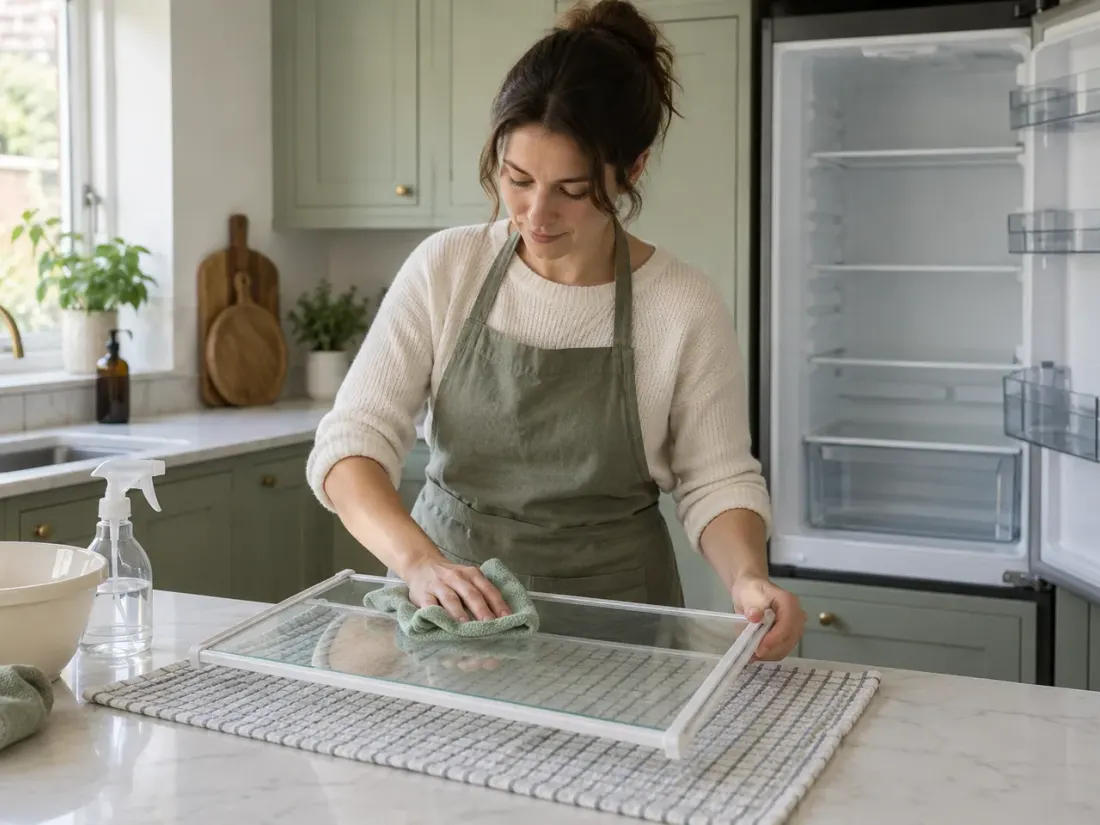
Make the appliance list clear before booking
| Appliance detail | What to send or ask |
|---|---|
| Oven compartments | Give the oven model and say which compartments need cleaning. A single cavity, double oven and range cooker are different items, so send a photograph rather than describing every cooking appliance as an ordinary kitchen oven. |
| Racks and stored pans | Count the oven racks and take out your own stored pans or dishes. Ask about additional racks and trays before the price is confirmed, and leave fitted parts assembled unless their preparation has been discussed for that model. |
| Fridges and freezers | List each fridge and freezer separately, including a second appliance in a utility room. Ask how it should be prepared for the booked clean, and explain whether it will remain fitted or freestanding during the visit. |
| Washing machines and dryers | Say which outside or inside parts you want cleaned and mention any known fault. Moving heavy machines or disconnecting fitted equipment needs a separate conversation; do not describe the floor behind them as clear if they will stay connected. |
| Hobs and extractor areas | Check whether the hob and extractor surfaces are on the cleaning list as well as the oven. Show grease build-up and give the material or model information, particularly where a finish has its own care instructions. |
| Labels and damaged parts | Send model details and available care instructions for unfamiliar appliances. Point out broken shelves, loose handles or damaged coatings before the visit so cleaning the surfaces can be discussed separately from repairing the parts. |
List carpets, furniture and glass as separate decisions
| Extra cleaning | Information to include |
|---|---|
| Carpeted rooms | Ask about carpet cleaning separately from ordinary vacuuming. Give the rooms and approximate dimensions, explain which furniture will remain and share the carpet material if known, so the additional treatment can be priced for the right areas. |
| Carpet marks | Photograph the marks that concern you before booking extra treatment. Tell the company what you know about them and any products already used, rather than applying another cleaner immediately before an appointment that has not yet been discussed. |
| Sofas and chairs | List upholstered items one by one and send their care labels where available. A furnished-room clean and a fabric treatment are different jobs, so specify the sofa, chairs or cushions you want included instead of relying on the room name. |
| Curtains and other coverings | Ask separately about curtains, blinds or other fabric coverings that you want cleaned. Give their material and position before arranging any removal, and check who would handle taking them down or putting them back if that is needed. |
| Inside glass | Include the inside windows and glazed doors you want cleaned, including extra internal-door panels. If there is a lot of glass, send pictures and approximate dimensions so its cleaning is considered alongside the rest of the rooms. |
| Outside windows | Request outside panes separately and show the ground, roof or extension below them. Cleaning inside a room does not explain how its outside glass can be reached, particularly in a flat or above a conservatory. |
Leave the property ready for the cleaning day
| Before the visit | What to check |
|---|---|
| Keys and keyholders | Confirm who has the key, where it will be collected and how the property will be opened. If an agent or friend is helping, check the arrangement with them rather than assuming the cleaner can collect keys without notice. |
| Separate entrances and locks | Mention fobs, garden gates, locked utility rooms and any entrance needed for extra cleaning. Make sure the relevant keys are available, or explain which areas must be left out because nobody can open them that day. |
| New finishes and existing damage | Pass on care notes for recently painted or fitted surfaces and point out existing chips or wear. Keep these details separate from the dirt to remove, so preparation does not turn into asking the cleaner to carry out repairs. |
| Photos after clearing rooms | Send updated photographs if removing furniture reveals different dirt or more floor than the earlier pictures showed. This is particularly useful when the first quote was discussed while rooms were still full of boxes and belongings. |
| One person for questions | Choose a contact who can answer practical questions about the rooms and appliances during the visit. Give clear instructions about anything private, retained or excluded rather than leaving several people to provide conflicting directions on moving day. |
| The agreed cleaning list | Keep the list used for your end of tenancy clean and compare it with the rooms and extras you prepared. Raise any unclear item before the visit, then use the same list when looking over the completed cleaning. |