
CLEANING GUIDES
How to Get Your Home Ready for a Cleaner
| Guide | What you will find |
|---|---|
| What it covers | Get ready for a home clean without doing the cleaning first. Use room-by-room checks for belongings, entry, special finishes and any extra jobs you need. |
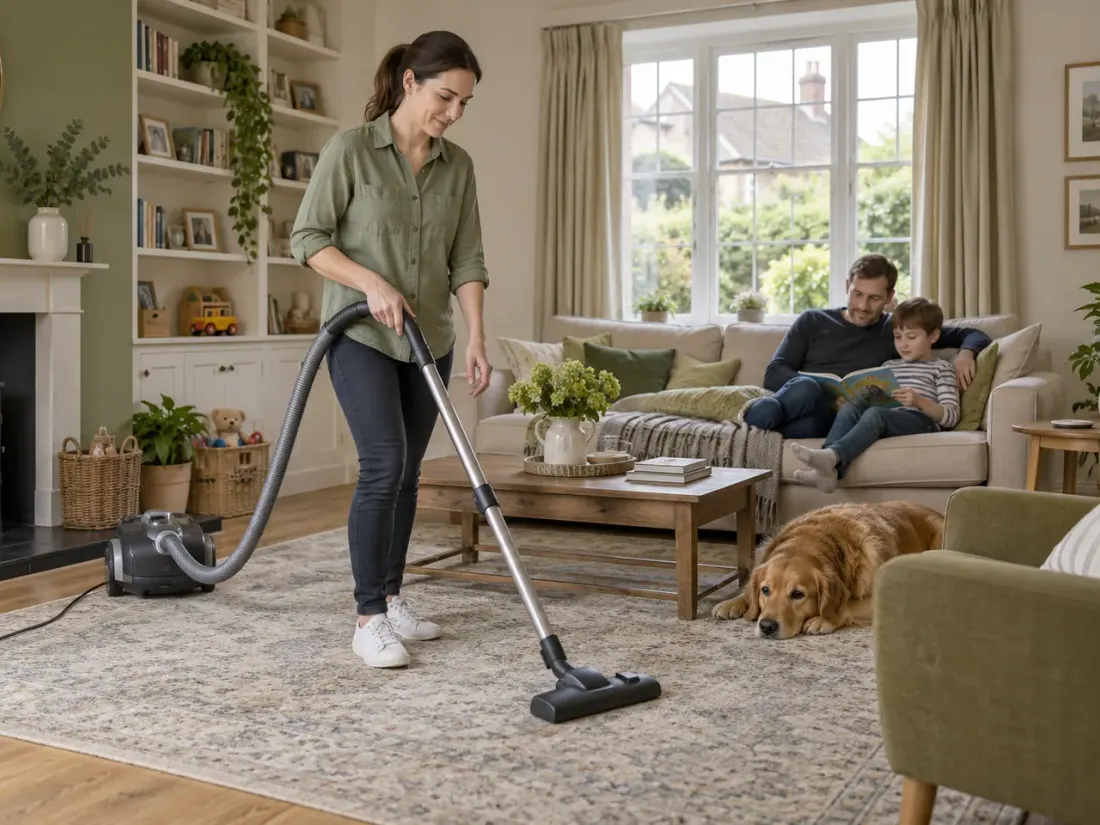
Decide which rooms and jobs to include
| Decision to make | What to do |
|---|---|
| Rooms to include | Write down the rooms you want cleaned, including a separate toilet, study or private staircase. Do not rely on the bedroom count to explain your home, especially when some rooms need cleaning and others should be left alone. |
| Jobs that matter most | Choose the areas where help would make the biggest difference, such as the kitchen, bathrooms or floors. A short priority list is more useful than asking for everything to receive extra attention during the same visit. |
| The home’s present condition | Describe built-up dirt before booking rather than spending the evening trying to hide it. Wider photos and a few close-ups help explain whether you need ordinary domestic cleaning or a more detailed first clean. |
| Extras beyond room cleaning | Name appliance interiors, carpet treatments or upholstered items separately. They need their own discussion even when they are in a room already listed for cleaning, so check the work before preparing items unnecessarily. |
| What you do not need | Say which rooms, cupboards or possessions should remain untouched. This matters in shared homes and bedrooms with private storage, where an open door or a room name alone may not explain what you want left alone. |
| How much preparation is useful | Aim to uncover the surfaces you want cleaned, not make the whole home spotless beforehand. Put belongings away where practical and leave the dusting, wiping and floor cleaning you have booked for the appointment. |
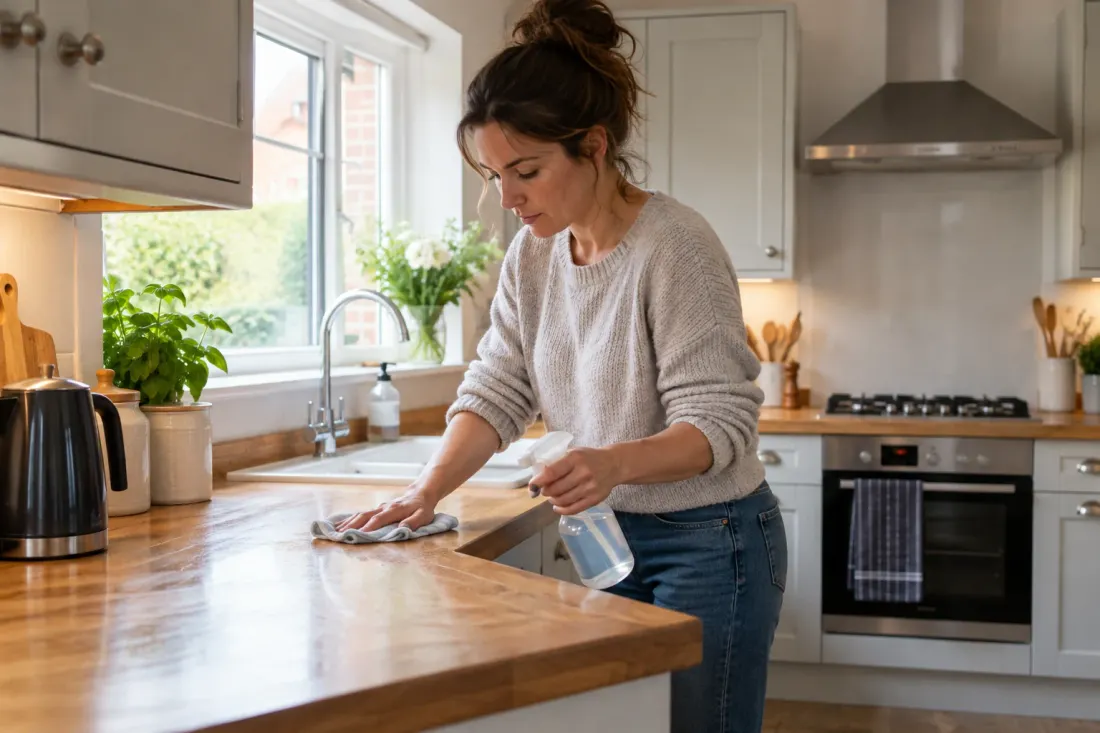
Clear a working space in each room
| Room or surface | Useful preparation |
|---|---|
| Kitchen worktops | Put shopping, paperwork and loose cooking items away so the worktop can be wiped. Tell the cleaner about appliances that must remain in place, rather than assuming a heavy or connected item will be moved during cleaning. |
| Sink and washing-up | Move dishes out of the sink where possible so the basin and surrounding worktop are clear. If you need washing-up done as well, ask about it before the visit instead of treating it as part of every kitchen clean. |
| Bathroom shelves | Gather toiletries from the shelves, bath edge and basin surround you want wiped. Keep the items you still need together somewhere else, and explain anything that must stay on the surface throughout the visit. |
| Bedroom floors | Pick up loose clothing, bags and small objects from the floor. Decide where they belong before the appointment so floor cleaning does not begin with the cleaner having to sort personal belongings or choose storage places. |
| Living-room furniture | Clear loose items from the tables and shelves that need dusting. Leave large furniture where it is unless movement has been discussed, and show any floor area you hope to have cleaned underneath it. |
| Stairs and landings | Put shoes, laundry and delivery boxes away from the stairs and landings you want cleaned. Tell the company about anything too large to move, so the room list reflects the floor that will be clear. |
Decide how personal belongings will be handled
| Belongings to consider | A simple arrangement |
|---|---|
| Documents and work papers | Put private paperwork away before a desk or table is cleaned. If documents must stay out, point them out and say which surrounding areas can be wiped without sorting, reading or relocating the papers. |
| Jewellery and small valuables | Put small valuables somewhere you have chosen before the appointment. This keeps the surfaces clear and avoids asking the cleaner to decide where jewellery, watches or other personal items should be placed while working. |
| Private cupboards and drawers | Keep private storage closed and explain any exceptions. If you have asked for a particular cupboard interior to be cleaned, empty that one unit rather than expecting all the cupboards in the room to be opened. |
| Fragile ornaments | Move fragile pieces yourself where practical, especially if they stand on a surface you want dusted. If they must remain, tell the cleaner which items should not be touched and discuss the space around them. |
| Other people’s belongings | Check with the owner before moving a housemate’s, guest’s or landlord’s possessions. Explain what will remain in the room, so the cleaning can be planned around those items without making decisions on someone else’s behalf. |
| Items with nowhere to go yet | Choose one temporary place for loose belongings rather than spreading them across several rooms that need cleaning. Be clear that this storage area is being left out, particularly if the floor or furniture there stays covered. |
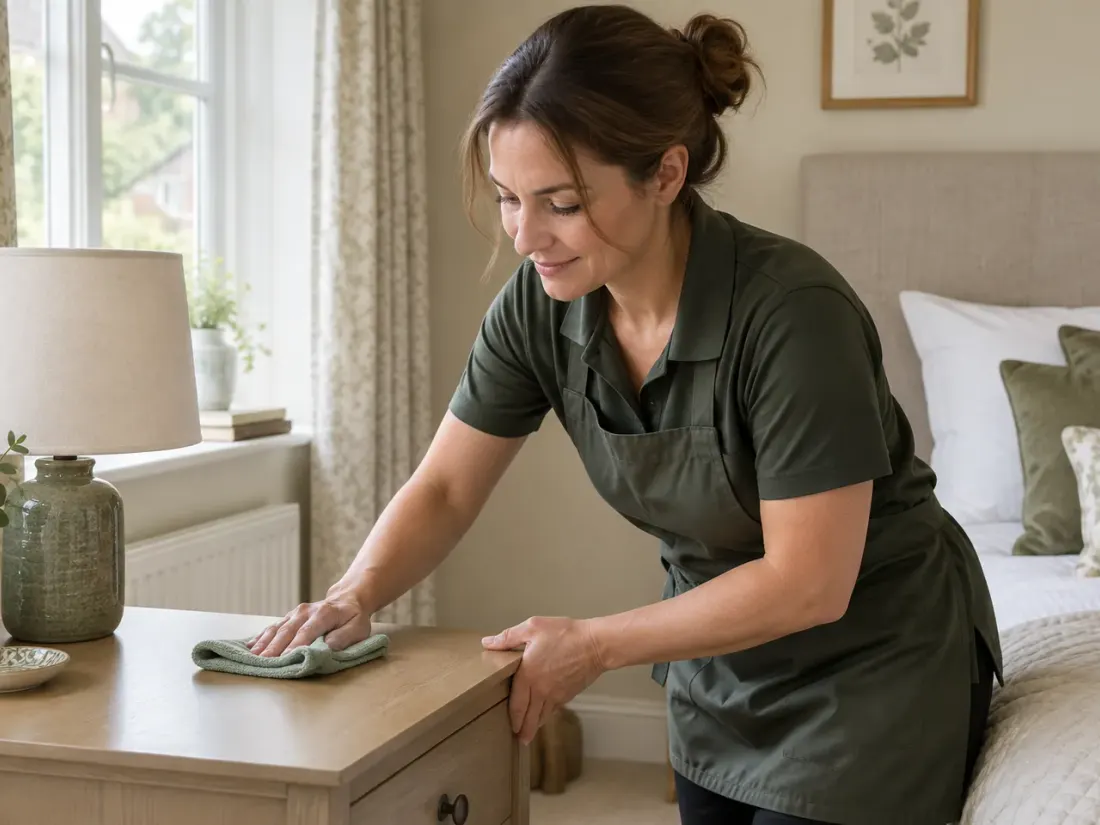
Make the day easy to organise
| Practical detail | What to confirm |
|---|---|
| The person opening up | Decide whether you, a housemate or another keyholder will provide entry. Share the right contact details with the company and check that person has agreed, rather than assuming someone else will be at home. |
| Gates and shared entrances | Mention a side gate, intercom or fob-controlled building door when booking. A main-door key may not open every entrance needed, so check which keys or permissions are required for the rooms and outside areas you have requested. |
| Locked rooms | Make sure the rooms to be cleaned can be opened. If one stays locked, say so in advance and leave it off the cleaning list rather than discovering during the appointment that nobody has the right key. |
| Working from home | Tell the cleaner when your home office will be free, and discuss whether you can work elsewhere while it is cleaned. Mention meetings when you cannot be interrupted and any equipment that must stay undisturbed. |
| Children and pets | Decide where children and pets will be during the visit, and tell the company about doors that must stay closed. Make your own supervision arrangements rather than leaving the cleaner to manage family routines while cleaning. |
| Water and electricity | Say beforehand if water or electricity will not be available, or if part of the home is still being worked on. This gives the company a chance to discuss the appointment before arriving at an unfinished property. |
Prepare extra jobs only after discussing them
| Additional job | What to check first |
|---|---|
| An oven interior | Tell the company the oven model and which compartments or racks need cleaning. Ask how to get it ready and when it must be cool; do not dismantle parts simply because you have added oven cleaning. |
| A fridge interior | Decide what food to keep and arrange somewhere to put it while the fridge is cleaned. Ask how to prepare your particular appliance and make sure the shelves and drawers to be cleaned will be empty. |
| Carpet treatment | Give room sizes and show furniture staying on the carpet before asking about a separate treatment. Discuss what you will move and ask about using the room afterwards, so preparation fits the carpet cleaning you book. |
| Sofas and chairs | Send fabric labels and pictures of the items if you are adding upholstery cleaning. Say which cushions or sections you mean, rather than describing several different pieces as a single living-room job with no further detail. |
| Fresh paint and new flooring | Pass on the decorator’s or installer’s care instructions before the visit. Tell the cleaner when the work was finished, and ask the person who fitted or painted it when those surfaces are ready to be cleaned. |
| Products you prefer | Explain product preferences and ask what the cleaner will bring. If you want your own products used, discuss them in advance and keep their labels available, especially for flooring or worktops with particular care instructions. |
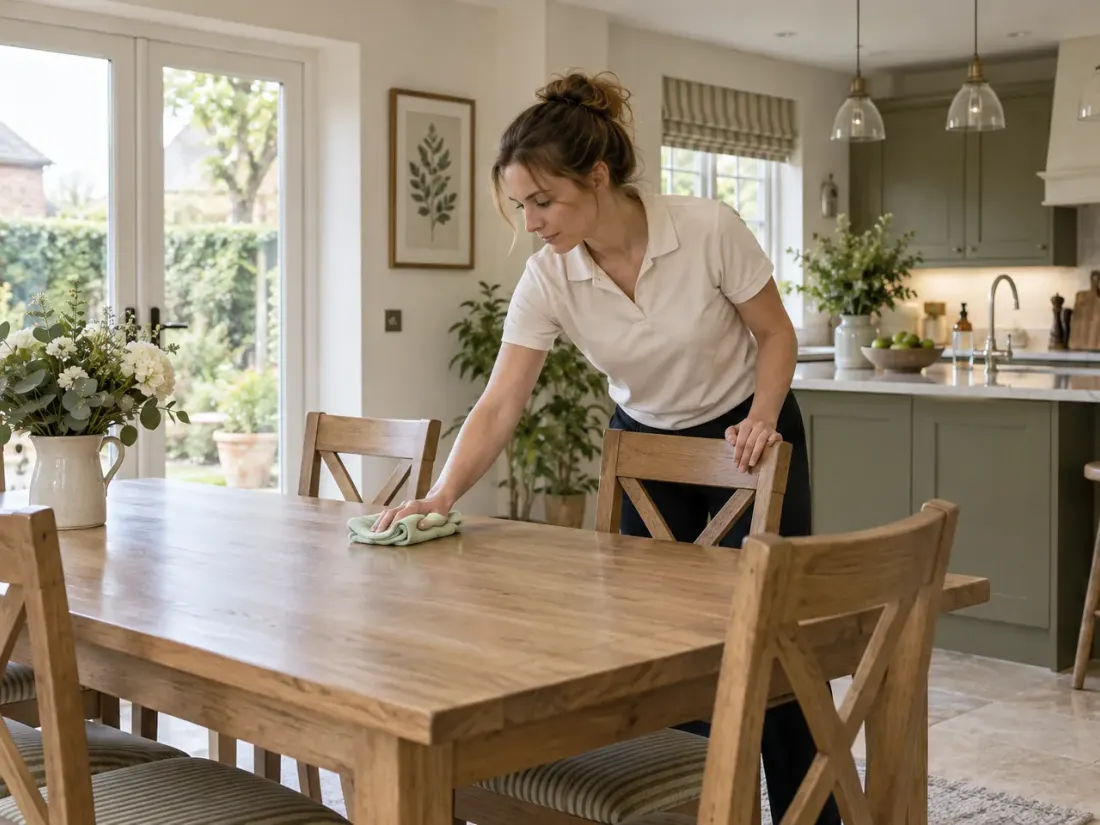
A final check before the cleaner arrives
| Final check | What a useful note says |
|---|---|
| The room list is current | Update the company if a guest has arrived, a room is being decorated or you no longer need one area cleaned. A current list is easier to follow than several old messages describing different versions of the visit. |
| The main priorities are clear | Put the most important jobs at the top of one short note. Explain any change before work starts, particularly if you want more time spent on one room and less attention given to another area. |
| Nothing important is hidden | Point out dirt behind an item you have moved, a newly uncovered floor area or a cupboard you have emptied. Preparation can reveal more work, so mention it rather than assuming it was visible in earlier photographs. |
| Existing damage is mentioned | Show loose fittings, chipped areas or worn finishes before cleaning. Keep those notes beside the relevant room on your list, so the cleaner knows where extra care is needed and which parts are already damaged. |
| Someone can answer questions | Give a contact who can clarify an unclear instruction during the appointment. If you are unavailable, leave straightforward directions about room entry and private storage rather than expecting the cleaner to guess which option you would prefer. |
| The next visit can be simpler | After the first appointment, keep the useful room list and note any changes for later visits. A repeat regular cleaning arrangement is easier to maintain when you only need to explain what has changed at home. |