
CLEANING GUIDES
Regular Cleaning or Deep Cleaning: Which Does Your Home Need?
| Guide | What you will find |
|---|---|
| What it covers | Compare regular and deep cleaning room by room. See when extra attention helps, which jobs to list separately and how to choose a useful first visit. |

Which type of clean does your home need?
| Your starting point | A useful choice |
|---|---|
| Everyday housework | Choose regular cleaning when you mainly need help keeping up with dusting, vacuuming, kitchen surfaces and bathroom fittings. Think about the housework that needs repeating and how often you would like help with it. |
| Dirt that has built up | A deep clean is worth discussing when grease, dusty edges or neglected corners need more attention than the usual housework. Point out those areas so the visit tackles the build-up, not simply the same rooms again. |
| A home that feels cluttered | Decide whether you need cleaning, help organising belongings or both. Clearing a worktop makes it easier to wipe, but cleaning the kitchen does not settle where paperwork, shopping and rarely used equipment should be stored. |
| Dust after renovation | Tell the company about recent building work instead of booking an ordinary repeat visit without explanation. Settled construction dust, paint marks and leftover materials need a different conversation from dust that collects between household cleans. |
| An occasional busy period | A one-off appointment can cover ordinary housework after a busy few weeks. It does not automatically need to be a deep clean; describe the dirt and the jobs you have fallen behind with before choosing. |
| A first visit | Look at the home as it is today, even if you plan to book regular visits later. An initial deeper clean may help with accumulated dirt, while later visits can concentrate on the work that keeps returning. |

Compare the kitchen jobs you need
| Kitchen area | What to discuss |
|---|---|
| Worktops and sink | Wiping clear worktops and cleaning the sink are familiar repeat jobs. If dried food or grease has built up around fittings, explain that before booking so the time allowed reflects more than a quick surface wipe. |
| Cupboard fronts | Look around handles and the cooking area, where dirt can be more noticeable than on the rest of a door. Ask for extra attention there if needed, and mention any peeling finish before the visit. |
| Inside cupboards | Make a separate list of cupboard interiors you want cleaned. Empty those units beforehand and leave private or fully stocked cupboards out. This gives the cleaner a clear job without turning the visit into a sorting session. |
| Appliance interiors | List the oven, fridge and any other appliance interiors separately from the kitchen surfaces. Ask which are included in the quotation and what you need to empty or prepare before the cleaner arrives. |
| The kitchen floor | Explain what can be moved before the appointment and what will stay in place. Cleaning the open floor is different from reaching flooring behind a heavy appliance, fitted unit or stack of stored boxes. |
| New or delicate finishes | Pass on care instructions for worktops, painted cupboards and flooring that need particular treatment. The choice between regular and deep cleaning does not remove the need to look after the material underneath the dirt. |
Look closely at the bathroom
| What needs attention | How to describe it |
|---|---|
| Frequently used fittings | List the sink, toilet, bath or shower that need routine cleaning. Include a separate downstairs toilet if you have one; the number of bedrooms does not tell a cleaner how many bathroom fittings your home contains. |
| Edges and corners | Look behind toiletries and along bath edges or corners that are often missed during quick housework. Point out any built-up dirt so the cleaner can allow extra time for those parts of the bathroom. |
| Deposits on fittings | Show noticeable deposits around taps or on shower glass before booking. A close photo helps explain the mark, while a wider view shows the fitting and finish that need care during the clean. |
| Worn seals or damaged surfaces | Point out cracked fittings, worn plating or damaged sealant separately from dirt. Cleaning can address dirty surrounding surfaces, but choosing a deeper service does not turn a cleaning appointment into a repair visit. |
| Shelves covered by belongings | Clear the bottles and personal items from shelves you want wiped. If some must stay, say so. Otherwise, a request for detailed bathroom cleaning can still leave important surfaces hidden beneath everyday belongings. |
| Shower screens and mirrors | Say which glass surfaces need cleaning and point out stubborn marks. Keep that request separate from windows elsewhere in the home, especially when you also want outside panes or additional glazed doors cleaned. |
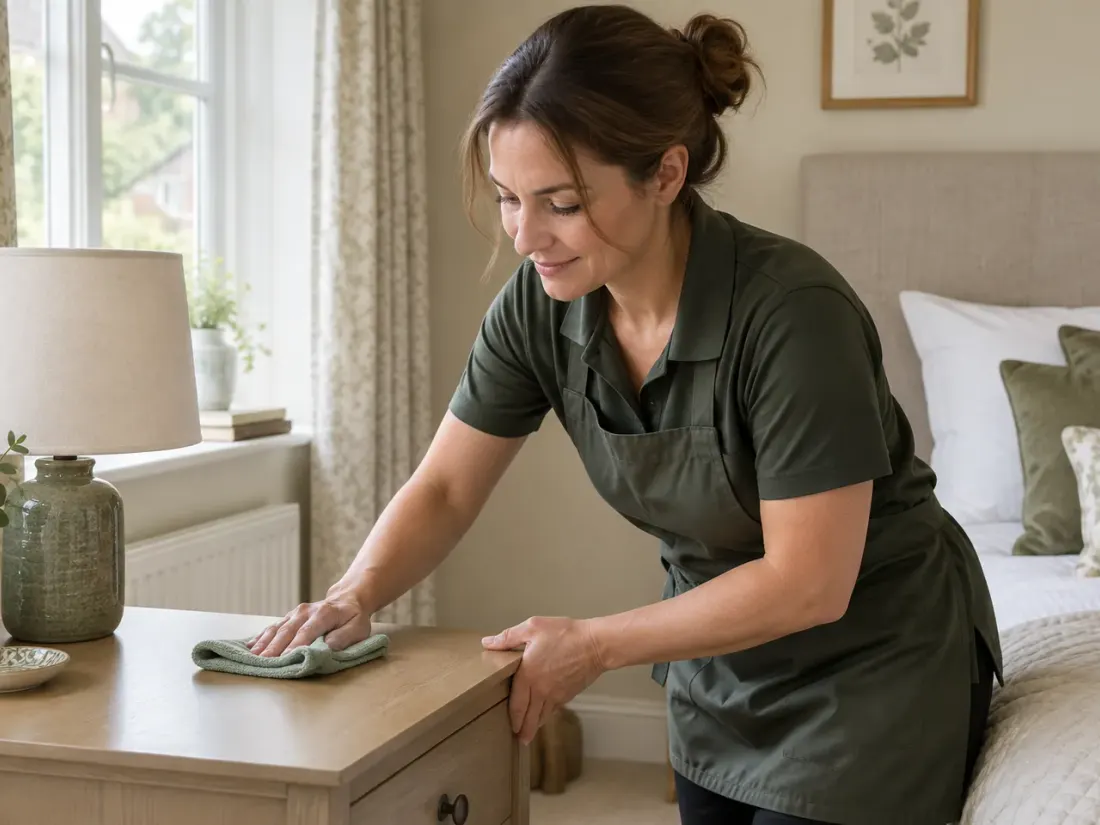
Living rooms and bedrooms
| Room feature | The distinction that matters |
|---|---|
| Furniture and ledges | For regular visits, list the clear furniture surfaces and ledges you want dusted. For a deeper first clean, point out dusty edges or neglected details so they can be considered alongside the usual room tasks. |
| Floor around furniture | Show which parts of the floor are open and which remain covered. Agree any furniture movement beforehand; a larger cleaning list is not enough to explain whether a heavy wardrobe or sofa can be moved. |
| Carpets | Vacuuming a room and carrying out a separate carpet treatment are different jobs. If marks or accumulated dirt need more than ordinary vacuuming, ask about carpet cleaning and give the room sizes and carpet details. |
| Sofas and chairs | Dusting around a sofa does not mean its fabric will receive a full clean. List upholstered items separately, include care labels where available and point out marks when asking about an additional upholstery appointment. |
| Curtains and blinds | Decide whether you mean cleaning around window coverings or cleaning the coverings themselves. These are different requests. Give their material and position before expecting the ordinary room visit to include a separate curtain or blind treatment. |
| Private papers and collections | Put papers away and decide which personal items must remain untouched. A cleaner can work on clear surfaces without having to choose where documents, ornaments or collections belong during a more detailed room clean. |
Planning your first clean
| Before you book | What helps |
|---|---|
| Show the whole room | Send wider room photos as well as close-ups of dirty areas. A close-up may show a mark clearly but leave out the furniture, floor space and other cleaning jobs competing for attention in that room. |
| Name your priorities | Choose the jobs that matter most if you cannot have everything done at once. A kitchen with built-up grease may deserve more attention than a spare bedroom that only needs light dusting and vacuuming. |
| List all the rooms | Include extra bathrooms, a study and private stairs rather than giving only the bedroom count. This helps compare two cleaning options that would otherwise appear to cover the same home while listing different work. |
| Separate dirt from wear | Point out existing damage when describing a difficult area. A faded patch or scratched finish can remain after cleaning, so the question is what dirt can be cleaned from that material without confusing it with repair. |
| Explain occupied rooms | Say when a home office, guest room or shared kitchen will be free. This makes the plan more useful than describing every room as empty when people or equipment will still be using part of it. |
| Ask about additional jobs | List extra rooms or treatments before the appointment is confirmed. Adding an oven clean or several cupboard interiors changes the work, even when those items sit inside rooms already named on the original list. |
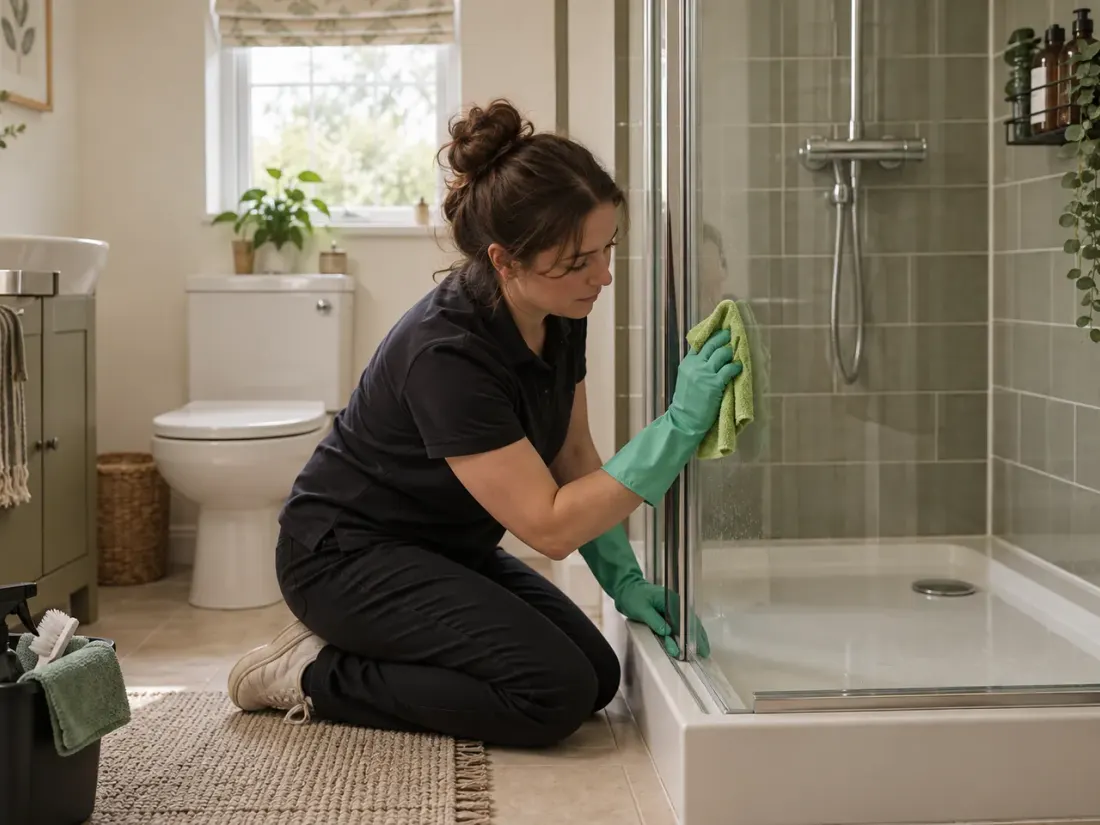
Keeping on top of the housework
| Your next decision | A practical approach |
|---|---|
| Time for the visit | Discuss the room list and condition before choosing how much cleaning to book. Avoid comparing appointments by hours alone when one includes extra kitchen detail and another only covers the most-used rooms. |
| Repeat frequency | Think about which tasks you struggle to keep up with between visits. Choose a repeat pattern around that housework and how the rooms are used, rather than treating every household as needing the same frequency. |
| A separate renovation clean | If more building work is planned, discuss its timing before arranging a detailed household clean. A finished room can collect fresh dust again when contractors continue working nearby or carry materials through it. |
| Changes between visits | Tell the company when a new room, extra bathroom or change in household use affects the housework. A repeat arrangement remains more useful when it follows the home you have now, not an outdated room list. |
| Products and supplies | Ask what will be supplied and explain any product preferences before the first appointment. Pass on instructions for special finishes, rather than assuming a more detailed service always uses the same products as your own housework. |
| Keeping the two services separate | Choose regular cleaning for the jobs you need repeated. Ask about deep cleaning when dirt has built up in particular areas, and list oven, carpet or upholstery work separately so you can compare the options. |